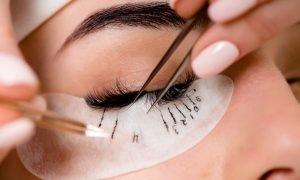
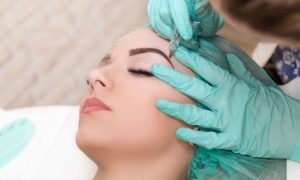
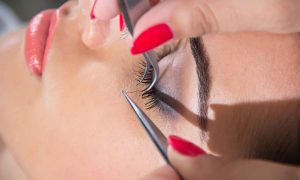
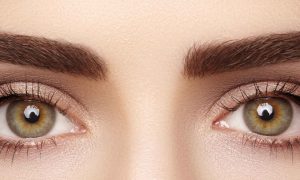
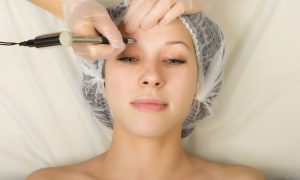
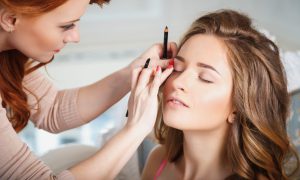
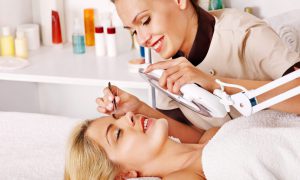
Bursting onto the scene in the early 2010s, the popular cosmetic procedure, known as microblading, emerged as a game-changer for eyebrow enhancement. By using tiny strokes to apply pigment to the skin, trained brow technicians create the appearance of fuller, more natural-looking brows.
With the correct aftercare care, microblading can give your brows a defined look that lasts anywhere from 18 to 30 months — giving immediate and long-lasting effects. Although, the initial treatment lays the foundation, and appropriate aftercare is crucial to achieving the best possible results. Aftercare routines are essential for successful microblading. This article will expand on why these routines are so important and how they can impact the healing process, promote longevity, and aid aesthetic consistency.
The Importance of Aftercare
A thorough approach to post-procedure care will ensure that your brows heal beautifully and reduce any possible risks to your health. Aftercare for microblading is essential for a number of reasons:
- Healing and Longevity: Proper aftercare promotes even pigment settling, which leads to gorgeous, luscious brows. Improper aftercare might compromise the overall appearance by causing early fading, scarring, or uneven colour distribution.
- Health and Safety: Aftercare to lower the chance of infections, allergic reactions, or other issues. This will reduce the likelihood of you having to visit a doctor for any potential issues or filing an insurance claim against your technician.
- Minimising Scarring: Prolonged damage to the brow region, impacting both appearance and health, can result from picking at scabs or from improper aftercare.
Master Your Microblading Aftercare
Proper aftercare is crucial to achieving the best results from your microblading session. Let’s walk through the essential steps to ensure your brows heal perfectly and look their best. Follow these tips to maintain your new brows and avoid common pitfalls during the healing process. Let’s get into it.
Skincare and Makeup
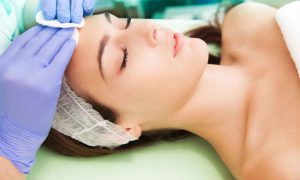
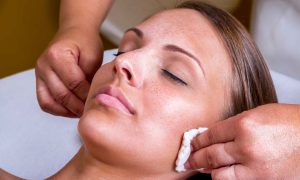
During the first seven to ten days, keep brows dry and clean. Even when washing your face, avoid direct contact with water. Instead, use a moist cotton pad to gently cleanse the brow area. Do not apply skincare or makeup products directly to the brows.
Sweat and Moisture
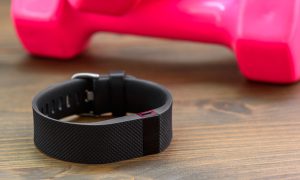
Steer clear of intense exercise and activities that induce excessive sweating as this may hinder the healing process.
Blotting
To avoid scabbing, carefully blot any extra lymph fluid that develops using a clean tissue.
Managing Scabbing
Scabbing is an inevitable step in the recovery process. Picking or scratching at the brows should be avoided as this may lead to infections, uneven results, or scarring.
Moisturising
To relieve dryness, some specialists advise putting a thin layer of an ointment (like petroleum jelly) to help soothe the area. If your technician advises that this is not essential, follow their suggestion.
Cleaning Your Brows
After the first healing phase is over (after approximately ten days), use warm water and a gentle, alcohol-free cleanser to gently wash your brows. It is extremely important that you do not scrub as it can delay the healing process by preventing the skin from scabbing properly.
Drying
After showering or washing your skin, pat the area dry with a clean towel or tissue.
Steer Clear of Specific Activities
Here are some factors that can affect healing:
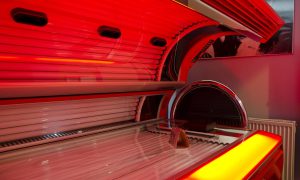
- Water and Heat: Avoid hot tubs, saunas and swimming pools for at least 14 days since these can interfere with healing and increase the risk of infection.
- Sunlight: Prolonged contact to the sun can cause the pigment to fade or irritate the area that is healing. If you must be outside, make sure to wear a cap or apply SPF 50 sunscreen.
- Product Use: To maintain optimal healing and prevent adverse reactions, only use calming, brow-friendly treatments free of harsh chemicals, as recommended by your technician. Avoid unapproved products like retinols and hyperpigmentation treatments.
Extra Safety Advice
For optimal results and a safe experience, there are a few key things to consider. Let’s delve into some extra safety advice, explore how different skin types affect microblading, and understand the importance of health monitoring after the procedure.
Skin Type
People with dry skin tend to experience better microblading results compared to those with oily skin. Oily skin can cause the pigment to fade faster.
Health Monitoring
Keep an eye out for any indications of infection, such as discharge, edema, or redness. If you continue to have these symptoms, visit your GP immediately.
Retouches
Approximately six weeks following the initial procedure, a touch-up visit is recommended to address any unevenness or fading.
Reducing Microblading Risks
Perfect brows are a journey, not just a destination! Meticulous maintenance is necessary to obtain long-lasting, fashionable eyebrows. Our team at Salon Gold are happy to protect your business with our microblading insurance — leaving you safe in the knowledge that you will be completely covered if an accident does unfortunately happen. Don’t hesitate to get in touch with us here.