Braids are a popular hairstyle for many people because of their low maintenance and versatility – but removing them can be a challenging task requiring a lot of time and attention to detail.
Although it might seem tempting to remove braids yourself, it’s often better to leave it to the experts. In this article, we’ll go over the procedures for taking out braids, as well as the risks of doing it yourself and why getting help from an expert is always encouraged.
Why Seek Professional Help When Removing Braids?
Let’s take a look at some of the reasons why having expert help is vital for successful braid removal:
Expertise and Experience
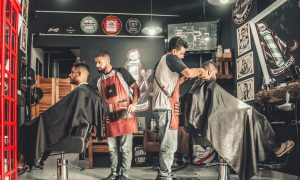
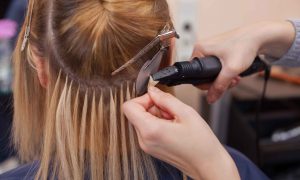
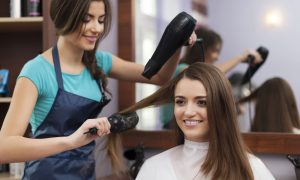
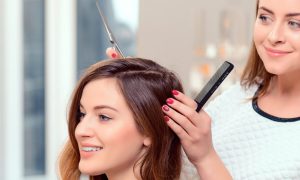
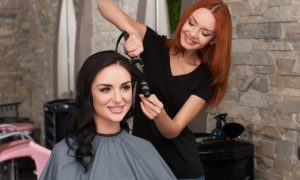
Professional hairstylists have the skills and experience to properly remove braids without causing any harm to your hair. As they are aware of the subtle differences between various braid types, such as box braids, cornrows, and micro braids, they can manage your specific braids carefully. They’re also skilled at seeing and avoiding typical hair problems that may surface throughout the removal procedure – like stiffness and tangling.
Proper Tools and Techniques
Professionals use specialised tools and techniques to ensure the braids are removed gently. This keeps your natural hair healthy and reduces hair breakage. They’re also knowledgeable about the best ways to moisturise and untangle hair after hair removal, preserving hair strength and health.
Time-Saving
Taking out braids can be time-consuming, particularly if you have a full head of intricate braids. A professional can finish the job more quickly and efficiently, giving you the time to concentrate on other crucial elements of your hair care regimen.
Preventing Damage
Removing braids incorrectly can cause tangling, damage, and unneeded hair loss. Experts are adept at managing these difficulties, lowering the possibility of hair loss or thinning.
Insurance and Assurance
Selecting a stylist with complete insurance means that you will be compensated for any unintentional harm sustained during the removal procedure. This guarantee guards your financial investment in the health of your hair and the style you’ve selected.
How to Remove Braids from Hair
If you decide to take out your braids at home, there are a few tips and tricks that can make the process smoother. Please keep in mind that these are merely suggestions, and getting expert help is still the best course of action.
Step 1: Assemble Your Equipment
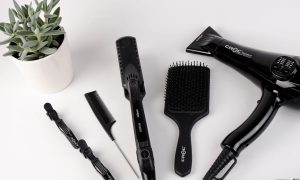
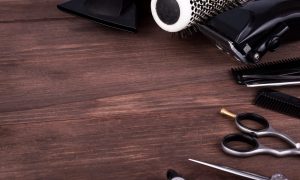
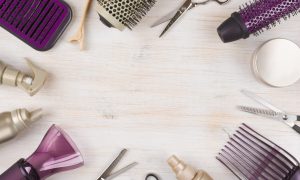
Braid removal requires a few simple tools:
- Wide-tooth comb: A must for delicately detangling hair without breaking it.
- Detangling conditioner or spray: Helps in unravelling and softening braids.
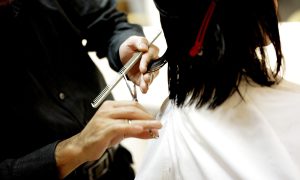
- Scissors: Used to trim braid ends where extensions are visible. Aim for crisp edges to avoid fraying.
- Hair clips: Help keep your hair manageable while working by sectioning off sections of it.
Step 2: Get Your Hair Ready
To begin, liberally mist your hair with detangling spray or leave-in conditioner. The braids will become softer and simpler to unravel as a result. Give it a few minutes to work its way through the hair and facilitate the elimination process. To prevent breaking, make sure your hair is moist but not drenched.
Step 3: Trim the Braids
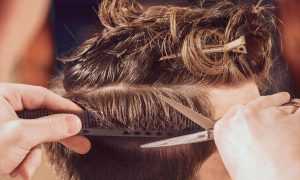
The ends of the braids where the extensions are fastened should be carefully trimmed. Take care not to chop off any of your natural hair. Cutting a few inches below the place where you think your natural hair ends is the best option. If in doubt, go for a longer cut to avoid unintentionally cutting your hair.
Step 4: Unravel the Braids
Unravel the braids gradually, starting from the bottom. As you go, use a wide-tooth comb to assist in detangling the hair. Take your time and work on one braid at a time to prevent pulling or straining, which can break the braid. Apply more conditioner and carefully smooth out any knots or tangles with your fingers or a comb.
Step 5: Detangle Your Hair
Using a wide-tooth comb, completely untangle your hair after removing all of the braids. You can use conditioner to speed up the process. To prevent hair loss, gently begin at the ends and work your way up to the roots.
Step 6: Wash and Condition
Wash and condition your hair to replenish moisture and preserve hair health once all braids have been taken out and your hair has been detangled. To help repair any damage and maintain the health of your hair, use a deep conditioner and a moisturising shampoo. To seal in moisture, use a lightweight oil and a leave-in conditioner afterwards.
Common Challenges and Risks in Braid Removal
There are a number of risks involved with removing braids yourself:
- Hair breakage: It’s easy to accidentally cut or break natural hair if you don’t choose the right method. This can result in hair thinning and uneven lengths.
- Tangling and matting: During the process, hair can easily become tangled or matted — this can be painful to detangle.
- Time-consuming: Removing braids can take many hours, especially for complex braids — this could lead you to make mistakes.
- Inadequate results: Inadequate removal may leave residue and knots that may impact the health of your hair overall and your future hairstyles.
Leave Braid Removal to the Experts
While it’s possible to remove braids at home, it’s safer to seek professional help to avoid damaging your natural hair. Professionals with expertise in braiding and Afro hair have the abilities and know-how to maintain the health and beauty of your hair.
If it’s time for you to have your braids taken out, choose a licensed stylist in your area who has the necessary insurance, like ours at Salon Gold, and a track record of success. Your hair deserves the best care possible so trust the pros to take care of the process with accuracy and competence.