You’ll be hearing all about this trending topic in 2025, so we asked Dr Deborah Lee from Dr Fox Online Pharmacy to give us the lowdown on Iodine…
What is iodine?
Iodine is a trace mineral obtained from the diet. It is essential for human life. However, it is little talked about and often forgotten. This is a sad situation as having adequate iodine in the body is essential for good health.
What does iodine do in the body?
Iodine is needed to make the hormone, thyroxine. This hormone regulates your body processes. At medical school we were taught it is the conductor of the hormonal orchestra.
- Hyperthyroidism (excess thyroxine) causes weight loss along with man other unpleasant symptoms such as a fast heart rate, tremor, and diarrhoea.
- Hypothyroidism (too little thyroxine) causes weight gain, tiredness and sluggishness, feeling cold and constipation.
Iodine is vital for normal growth and development. Pregnancy is a time when there is an increased demand for iodine. Studies have shown that a low iodine intake in pregnancy is linked to low birth weight and preterm delivery (before 37 weeks). In another study, a low iodine intake in pregnancy was associated with moderative cognitive impairment from age 3 weeks to 5 years. Children went on to have low verbal IQ at age 8 and lower reading and comprehension scores at age 9. Iodine deficiency can impair bone growth, leading to abnormal changes in the skeleton.

How to check if you are lacking iodine?
There is no currently available test to check the level of iodine in your body. There is a 24-hour urine test but this is only available in research studies. You can only know if you are getting enough iodine by looking at the content of your diet.
If you are feeling tired all the time, lacking energy, and are putting on or failing to lose weight, it’s important to see your GP and have your thyroid function tested. 8-10% of the population are thought to have subclinical hypothyroidism. In extreme circumstances, low iodine levels cause hypothyroidism, which results in a swelling in the neck called a goitre.
Which foods contain iodine?
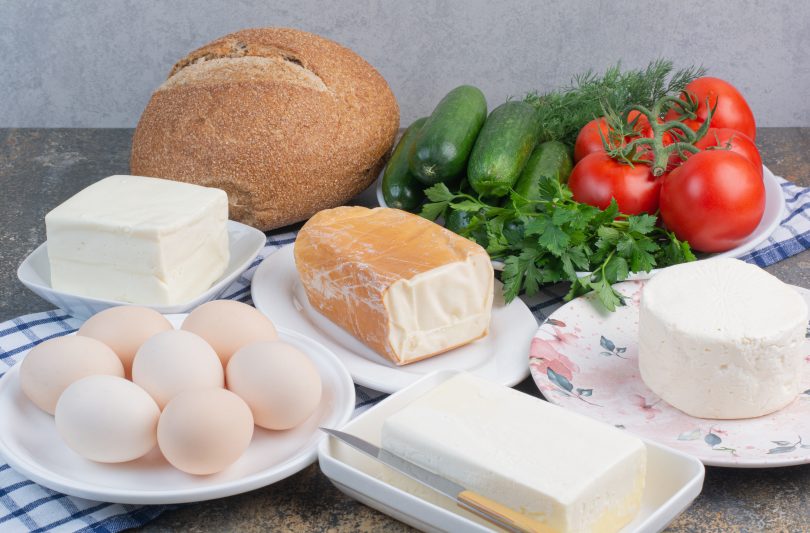
The following foods contain iodine. The best sources of iodine are cow’s milk and dairy products, plus fish, especially white fish, and eggs. If you eat a varied, balanced diet you are probably having enough iodine. Those at risk are likely to be pregnant and breastfeeding women, vegans and vegetarians.
Cow’s milk 200 ml – 50-100 mcg – Note that there is no difference in the iodine content of skimmed, half fat or whole fat milk.
Yoghurt 150 g – 50-100 mcg – Greek yoghurt is an especially good source of iodine.
Cheese 40 g – 15 mcg
Haddock 120 g – 390 mcg
Cod 120 g – 230 mcg – Note that white fish contains much more iodine than oily fish.
Salmon 100 g – 14 mcg
Plaice 130 g – 30 mcg
Tuna 100 g – 12 mcg
Prawns 60 g – 6 mcg
Scampi 170 g – 160 mcg
Eggs 1 egg (50g) – 25 mcg
Meat/poultry 100 g – 10 mcg
Nuts 25 g – 5 mcg
Fruit and veg 1 portion (80g) – 3 mcg
Note that salt in the UK is not routinely iodised. You can purchase iodised salt if you look for it, but this is not a recommended way of increasing your iodine intake as we should all be consuming less salt, which is a common cause of high blood pressure.
Risk factors for low levels of iodine
The National Diet and Nutrition Survey (NDNS) which studied dietary intake from 2016-2018 concluded that 10% of the population consume less than the Lower Reference Nutrient Intake (LRNI). 26% of this group were teenagers. It is of increasing concern that the current trend towards the plant-based diet and the use of plant milk is likely to have worsened these statistics. Most plant milks do not contain iodine. Moreover, adolescent women, heading towards their reproductive period, need to ensure they have an adequate iodine intake at the time of conception and throughout pregnancy and breastfeeding.
Vegans are high risk for iodine deficiency as vegans do not consume cow’s milk, dairy products, fish, meat or eggs. Vegetarians are also at higher risk as they don’t eat meat or fish. Pescatarians are at risk because they tend to eat more oily fish which is lower in iodine than white fish.
In a 2020 Norwegian study of vegans, vegetarians and pescatarians, around half the participants had average urinary iodine levels less than the recommended lower limit of 100 mcg per day. 50% had low knowledge and 26% had very low knowledge of the issue. They were unable to reach the necessary iodine intake from what they were eating. The authors strongly recommended more research is needed on this topic. Those who took iodine supplements had higher urinary iodine concentrations.
The Vegan Society recommends vegans and vegetarians take iodine containing supplements or ensure they eat iodine fortified foods.
Those with coeliac disease may lack iodine due to poor absorption of iodine from the gut.

Iodine deficiency in the UK
There are three main reasons for iodine deficiency: less iodine in cattle and chicken feed, changes in dietary preferences about milk and changes made to Public Health milk provision.
- The amount of iodine in animal feed was reduced by 50% in 2005 due to public health concerns that this might lead to iodine toxicity. Iodine in milk derives from the iodine the animal is fed, and the same applies to iodine from eggs and chicken feed.
- One pint of cow’s milk contains 140-224 mcg of iodine, whereas plant milk – and there is controversy about whether plant milk should be allowed to be called ‘milk’ – contains only around 7 mcg of iodine. The popularity of plant milk is growing. Always read the label and check that what you are buying contains iodine.
- The amount of iodine in soil is variable and has been decreasing in the UK.
- Note that organic milk contains less iodine than conventionally produced milk because of the constraints of organic farming.
- Free milk is only available in schools for children up to 5 years old. Milk used to be free for all schoolchildren up to the age of 11 but this was stopped in 1971 by the Thatcher government. Dairy products are very important as they provide a range of vital nutrients for health and development – including iodine.
Can you have too much iodine?
Yes, it is possible to have too much iodine. In general, taking an iodine supplement is not advised. Instead, you should concentrate on eating a balanced diet that contains food rich in iodine.
An adult needs 150 mcg of iodine per day. In pregnancy and breastfeeding this increases to 200 mcg per day.
If you think you need to take an iodine supplement, always speak to your GP first. Those on a restricted diet such as vegan, vegetarians and pescatarians may be advised to do this.
How to increase iodine
Cruciferous vegetables (cauliflower, cabbage, broccoli and sprouts) contain thioglucosides which inhibit the transport of iodine around the body. If you want to increase your iodine levels quickly, avoid eating these vegetables with a meal containing white fish, which is high in iodine.
Final thoughts
We are increasingly health conscious – which is a good thing. But to date, iodine and the real risk of iodine deficiency have rarely been brought to our attention.
It’s important to examine your diet and ensure you are getting enough iodine in your food. Drinking cow’s milk is a rich source of iodine. If there are health reasons for plant milk, this should be fortified with iodine. Don’t underestimate the importance of good nutrition. You really are what you eat.