Many people buy a face cream or a serum without knowing whether it suits their skin type, and it’s all too common to just buy because of the brand, without knowing what’s in the bottle at all. Yet almost every product falls into one of two camps: water-based or oil-based. Helping your clients to understand the difference is one of the most useful things you can do for their skin and for your retail. Here’s my guide to oil- and water-based products and how to communicate the right ones for your clients.
What’s in a water-based product?
Serums are the backbone of many skincare routines, adding beneficial ingredients, providing help for skin concerns, evening out skin tone or texture, or, if they contain hyaluronic acid, helping to boost the skin’s moisture content.
Serums are often water-based, with a light texture that makes them quick and easy to use, morning and night.
However, bear in mind what else a serum contains. A water formulation may consist of up to 95% water, plus a preservative, which will be around 1%, leaving only 4% for skin-boosting active ingredients.
So to get the most out of a serum look for a multitasking product – at YNNY we have Enhanced Collagen Booster, which contains the active ingredients hyaluronic acid, vitamin C and vitamin B3. When they are combined, they work well together to protect the skin against free radicals, support the skin barrier and hydrate.
How to use water-based skincare products
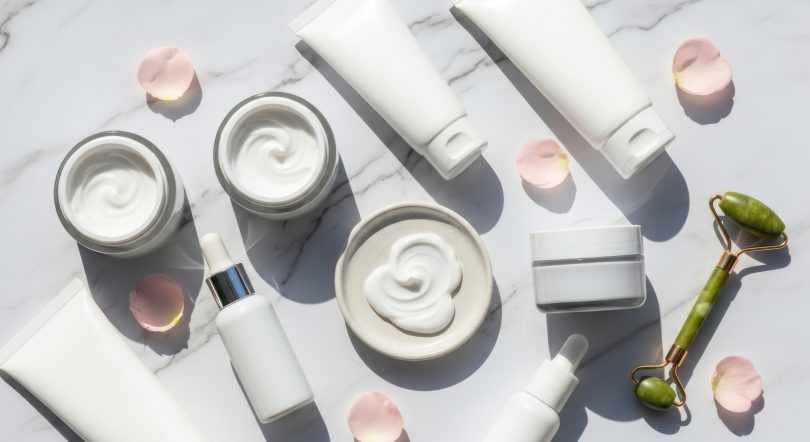
Whichever serum your client uses, they should apply after cleansing and toning and then follow with a moisturiser or an oil-based serum to seal in moisture and help skin feel soft and comfortable.
Face creams often have a high percentage of water – up to 75%. This means the proportion of active ingredients can be as low as 15% once you allow for preservatives and emulsifiers. Some companies add cheaper emulsifiers that don’t add any skin benefits, so look out for creams containing emulsifiers such as glyceryl stearate SE and Olivem 1000, that will leave a silky, smooth feel on the skin.
If their preferred moisturiser is very light, with a high water content, apply it to damp skin to help any humectants, such as hyaluronic acid, to pull in the extra moisture.
In the morning, recommend they follow it with sunscreen and in the evening, if their skin still feels dry, use a richer cream or a facial oil on top to prevent moisture loss.
For anyone under the age of 30, a water-based face cream is generally sufficient for helping skin look and feel smooth, soft and hydrated, but as skin matures I recommend adding an oil-based product, such as a facial oil into their routine.
What about oil-based products?
Oil-based skincare products include facial oils, body oils and serums.
Oils lock in hydration by creating a protective seal on the skin; the natural lipids and essential fatty acids they contain strengthen the skin barrier; they can deliver antioxidants and vitamin C, supporting collagen production, and reduce the appearance of fine lines.
It’s worth noting that our collagen starts to deplete from around the age of 25, when we lose approximately one per cent of our collagen stores per year, and using an oil-based product, which are often packed with actives, could be more effective at helping to soften the visible signs of skin ageing, than water-based creams.
Check ingredients lists for sea buckthorn oil, which is rich in omega-3, 6, 7 and 9; pigmentation-busting rosehip oil, containing natural vitamin A and vitamin C; moisturising and non-comedogenic argan oil; and evening primrose and borage oils, that are rich in beneficial gamma-linolenic acid (GLA).
How to use oil serums
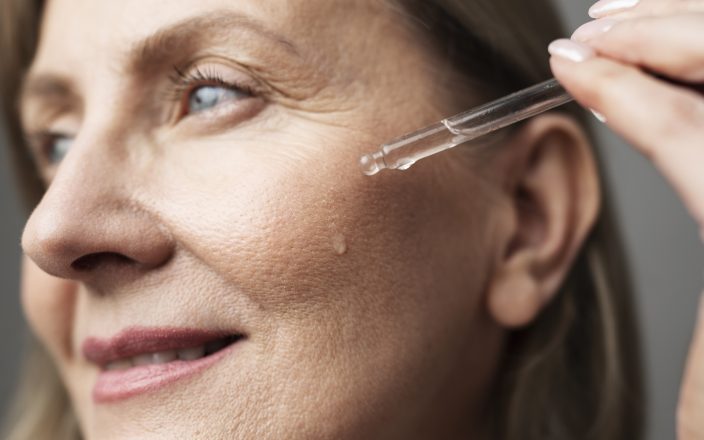
Advise clients to add facial oil at the end of their skincare routine to trap in moisture and prevent water loss – and just to give the skin a glow. Warm two or three drops in the hands before gently patting or pressing the oil into skin.
Why this matters
Neither product is “better” than the other but the more clients understand the formulations of oil- and water-based products and how they function on the skin, the better the results will be. If clients are enjoying skin that’s supple, soft, hydrated and calm, without redness or discomfort, they’ll know that you’re recommending exactly what they need.