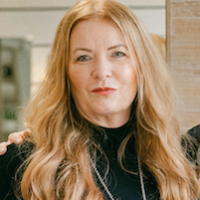
Deborah Maguire is the co-founder of Seed & Soul, a hair supplement with carefully chosen and balanced vitamins and minerals to feed the gut garden and nourish hair from the inside. With an increase in teens experiencing poor hair health, she explains why their needs are different to an adult’s when it comes to hair nutrition.
For many years, hair loss was something we associated almost exclusively with adults. Today, that’s changing.
As practising trichologists, we’re seeing more teenagers coming into clinic worried about excessive shedding, thinning hair and changes in hair quality. For many young people, hair is closely linked to confidence and identity, so even subtle changes can have a significant emotional impact.
Hairdressers are often the first professionals to notice these changes. A ponytail that’s noticeably thinner, increased shedding during a blow-dry, or a teenager asking whether their experience is normal can all be early signs that something deserves a closer look.
The important thing to remember is that teenage hair loss is rarely just about the hair, it’s often a sign that something else is going on.
Some of the most common causes include:
- Recent illness – glandular fever, COVID, flu or surgery can trigger shedding 2–4 months later.
- Low iron or nutritional gaps – especially during growth spurts or after periods begin.
- Limited diets – fussy eating, sensory food preferences, vegan diets or restrictive eating can all reduce nutrient intake. I think UPF has a lot to answer for here…
- Stress – exams, anxiety and emotional stress can increase shedding.
- Puberty – hormonal changes can temporarily affect the hair growth cycle.
- Medical conditions – including coeliac disease, Crohn’s disease, ulcerative colitis, diabetes and thyroid disorders.
- Autoimmune conditions – such as alopecia areata.
- Medication – some prescription medicines can contribute to hair shedding.
As hair professionals, we don’t need to diagnose these conditions, but we do have an important role in recognising when something doesn’t look quite right and encouraging clients to seek further advice. A supportive conversation and an appropriate referral can make a huge difference.
One thing we’ve also recognised is that teenagers have very different nutritional requirements from adults. Their bodies are growing rapidly, hormones are changing and nutrient demands are often higher. Yet most hair supplements available today are simply adult formulas adapted for younger people.
That’s why we’ve spent the last year developing Seed & Soul Teen Hair Strength™. Rather than reducing the dose of an adult product, we started with a blank sheet of paper and formulated specifically for the nutritional needs of teenagers aged 13+. Every ingredient was carefully selected in highly bioavailable forms, with appropriate levels for developing bodies and no unnecessary fillers or hormonal ingredients. The aim isn’t to replace medical advice or treat hair loss, but to provide nutritional support for healthy hair as part of a wider, evidence-led approach.
At the end of the day, healthy hair starts long before we pick up a pair of scissors. By understanding the common causes of teenage hair concerns and knowing when to refer, hairdressers can play an important role in supporting both hair health and the confidence of the young people sitting in their chair.
Deborah Maguire
Registered Trichologist, https://www.seedandsoul.co/