In today’s fast-paced and stressful environment, it’s no surprise that plenty of individuals seek alternative therapies to enhance their health and well-being. One such practice gaining popularity is kinesiology.
But what is kinesiology, and what can it do for you? This beginner’s guide will introduce you to the fundamentals of kinesiology and explore its potential benefits.
Understanding Kinesiology
Kinesiology is an all-encompassing discipline that focuses on the anatomy and physiology of the human body. It promotes both physical and mental wellness by fusing components of traditional Chinese medicine with contemporary Western methods.
History of Kinesiology
Kinesiology was created in the 1960s by Dr. George Goodheart and is rooted in chiropractic care. He found that muscle testing could be used to identify imbalances and make the necessary corrections to enhance health. The discipline changed to include nutrition, physiology, and acupuncture concepts.
How Kinesiology Works
Fundamentally, kinesiology uses muscle testing to find abnormalities or obstructions in the body’s energy flow. Practitioners argue that their patients can improve their health and well-being by treating these imbalances. To enhance patient progress, kinesiology is frequently used with other therapies, including massage, acupuncture, and chiropractic therapy.
What is Kinesiology Good For?
Many different types of physical and emotional problems can be effectively treated using kinesiology. Let’s take a closer look:
Physical Health
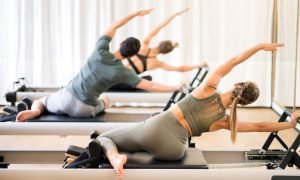
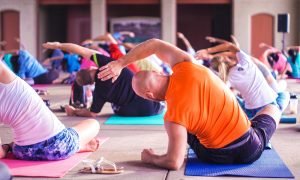
Enhancing physical health is one of kinesiology’s main applications. By addressing muscular imbalances and optimising movement patterns, kinesiology improves muscle strength, flexibility, and coordination. This can result in improved posture, more mobility, and a reduced likelihood of injury. Additionally, kinesiology is often used for injury rehabilitation, athletic performance enhancement, and posture improvement.
Emotional Health
Emotional and mental health can benefit significantly from kinesiology as well. It’s generally used to identify and rectify imbalances in the body’s energy system, which is said to reduce stress, anxiety, and depression. By lowering tension and anxiety, kinesiology promotes a better feeling of peace and well-being.
Benefits of Kinesiology
Depending on the needs and objectives of the individual, kinesiology offers a wide range of benefits. Among the most frequently mentioned advantages are:
Boosted Energy
Kinesiology helps balance the body’s energy systems, which increases energy and lessens weariness. By restoring equilibrium, you can experience improved focus, mood, and overall well-being.
Improved Stress Management
Through better stress identification and management, kinesiology approaches can help to develop better coping mechanisms. By better understanding the physiological effects of stress, clients can collaborate with practitioners to devise more efficient coping mechanisms.
Personal Growth and Self-Awareness
Kinesiology can help individuals gain significant insights into their physical and emotional patterns and states through muscle testing and feedback, which promotes self-awareness and personal growth. People may feel more empowered to follow their personal development objectives and adopt healthier lifestyles due to this greater awareness.
What Qualities Should a Kinesiology Practitioner Have?
Before selecting one, examine a kinesiology practitioner’s background, expertise, and treatment philosophy. A respectable practitioner should have a history of successful client outcomes in addition to professional training, certification, and insurance in kinesiology.
If you work in kinesiology, you must have the appropriate insurance to safeguard your profession. At Salon Gold, we provide comprehensive kinesiology insurance coverage, giving you peace of mind and preserving your reputation in the industry. To learn more about how our insurance options can help and safeguard your kinesiology practice, don’t hesitate to contact us.